We Won a Tooting Flat at Auction for £281k: The BRRR Plan for 15 Arnold Road
AAI Property Group bought a one-bedroom ground-floor flat in Tooting at auction for £281,000 against a £210,000 guide. Here's what the legal pack said, how the bridging loan is structured, and the two refurb routes, including a possible extension that depends on the freeholder.

Quick answer: On 30 September 2026 AAI Property Group won a one-bedroom ground-floor flat at 15 Arnold Road, Tooting (SW17) at Savills Auction London, for £281,000 against a £210,000 guide price. It's a vacant, run-down flat in a converted house, sold on a new 990-year lease by its freeholder, London & Quadrant Housing Trust (L&Q). We plan to buy with a bridging loan, refurbish for about £50,000 and refinance onto a buy-to-let mortgage. Whether we also build a single-storey extension to make it a two-bedroom flat depends on L&Q's consent, and we can only ask once we own the flat.
This is the first post on our third project, and it's an early one: we've exchanged but not completed, and there's no refurb to show yet. We're writing it now because the buying decisions are where most of a BRRR deal's risk sits. Our two earlier flats, Kirwyn Way in Oval and Innes Gardens in Putney, were both bought from councils or housing associations, and 15 Arnold Road is a variation on the same recipe.
The flat
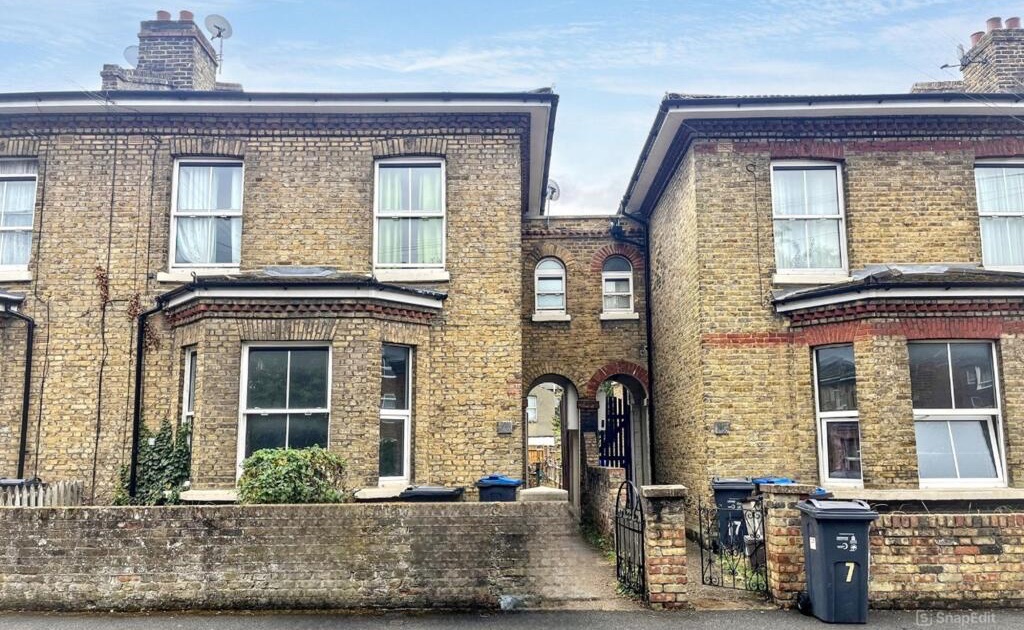
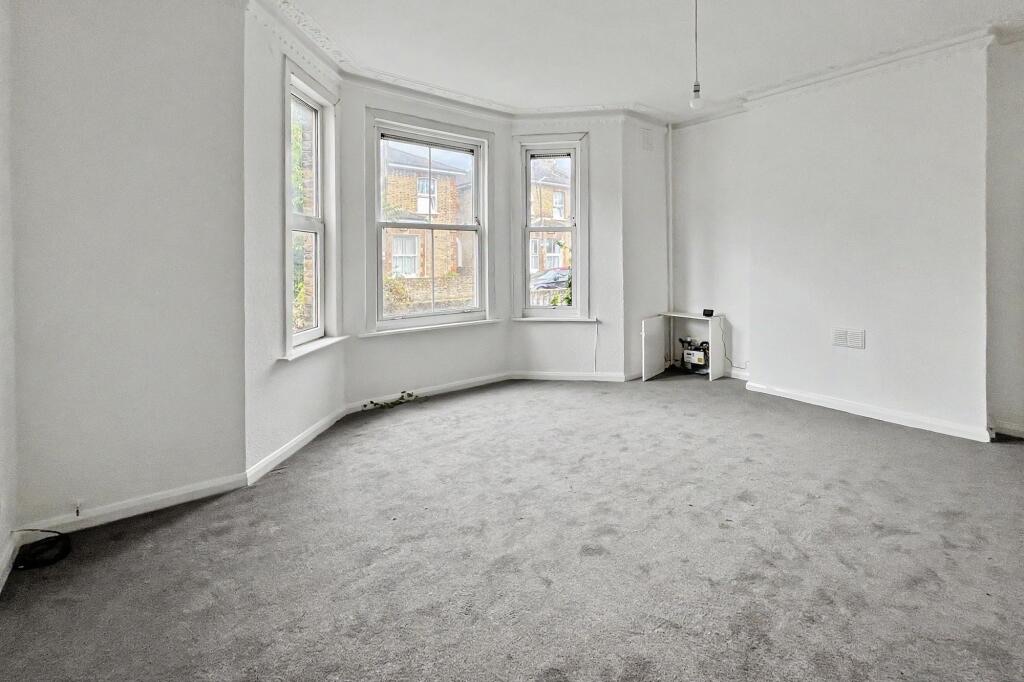
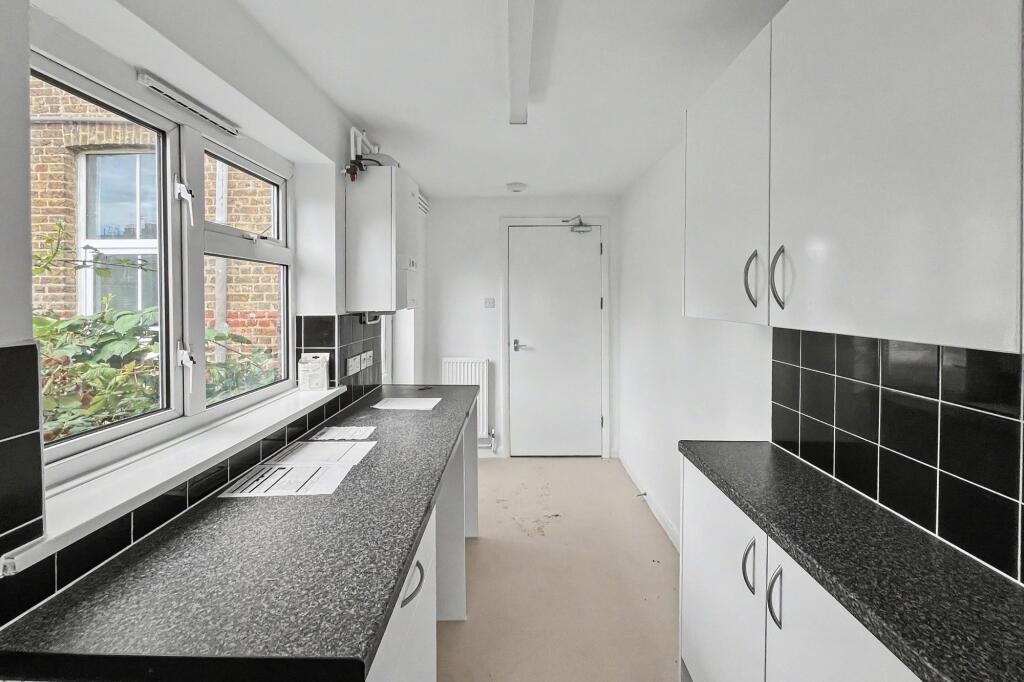
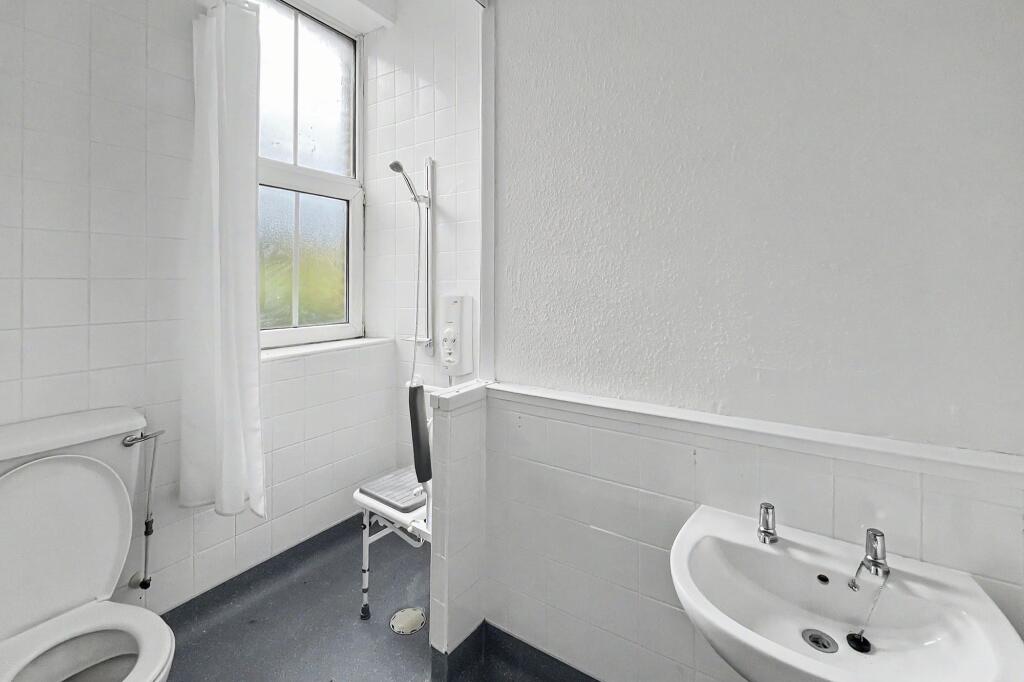
15 Arnold Road is a one-bedroom ground-floor flat in a mid-terrace house split into two flats, with 15A above. The house is solid brick, probably Victorian or Edwardian, and was converted under planning permission granted by Merton Council in 1976. The accommodation is a lounge with a bay window, a bedroom, a narrow galley kitchen in the rear wing and a shower room. There's a rear garden, and the listing describes the flat as "in need of modernisation".
The floor area needs measuring on site. The listing floorplan gives 56m², while the energy certificate on the public register says 61m². The same certificate rates the flat E (54), with a potential C (69). That matters later, and we come back to it below.
Although the postcode says Tooting, the flat is in the London Borough of Merton (Colliers Wood ward), not Wandsworth. Building Control, council tax and any licensing go to Merton, which is a different set of departments from the ones we dealt with at Innes Gardens.
The auction
The flat was lot 110 in the Savills Auction London sale on 29 and 30 September 2026, guided at £210,000. We agreed a price of £281,000, which is 34% over the guide. Savills confirmed our successful bid on 30 September, and because the auctioneer signs the contract on the buyer's behalf, the purchase is binding from that point. We paid the 10% deposit (£28,100) and the buyer's administration fee of £2,100 including VAT straight away.
Paying well above the guide is normal. A guide price is a marketing figure set to attract bidders, and the real price is set by whoever wants the lot most on the day. If you're new to this, our guide to buying at auction in the UK covers how guides, reserves and fees work. What we'd add here is that we decided our ceiling before the auction, from the numbers below, and we stopped there. A bidding war is a bad moment to find out what a deal is worth.
Completion is set for 27 October 2026 at the earliest. It can slip: the seller's own lender has to consent to the new lease first, and if that hasn't happened by 29 March 2027 either side can walk away. We're planning on the earlier date but not relying on it.
What the legal pack told us
We read the auction legal pack before bidding. Four things shaped the plan more than anything else.
- It's a new lease, not an existing one. L&Q grants a fresh 990-year lease on completion, with a peppercorn ground rent. That removes the lease-extension problem that sinks many cheap flats (see our lease extension cost guide for what that would otherwise cost). The garden is included in what we're leased.
- The service charge is £1,142.15 a year on the 2026/27 estimate, including about £508 of buildings insurance under L&Q's block policy. There's no managing agent.
- Almost every alteration needs L&Q's written consent, and structural or layout changes are at its absolute discretion. Applications are only accepted after completion. Hard flooring has to match what's there like for like.
- Letting is restricted. The flat can only be let on assured shorthold tenancies of six months or more, with L&Q's approval of the subletting. Short stays, Airbnb and holiday lets are expressly banned. That rules out the serviced-accommodation route entirely, which suits us, since our plan is a standard long-term let.
The pack also has gaps that we'll be putting to our solicitor. We'd flag the same thing to anyone buying from a housing association at auction: the special conditions can add buyer costs on top of the price, and in this sale some of those extras are uncapped.
How we're funding it
As with our other flats, we're using a bridging loan rather than a mortgage, because a mortgage lender won't normally lend on a flat in this condition. We have an agreement in principle from a specialist bridging lender for £224,800 gross, which is 80% of the purchase price, over 12 months at 0.77% a month. After the lender's fees, the net advance is about £222,225.
That means we put in about £58,775 of our own cash towards the price, of which the £28,100 deposit is already paid. Add legal fees, stamp duty and the refurb budget on top. An agreement in principle isn't a binding offer: the lender still has to value the flat (a desktop valuation, no visit) and complete its own checks, so we won't treat the loan as certain until the formal offer arrives. We also had an alternative quote from a broker for a larger loan. It assumed a £500,000 valuation, which isn't achievable on a £281,000 purchase, and the monthly cost was higher, so we're not pursuing it.
We chose a solicitor on a fixed fee that covers the company purchase, the stamp duty return and acting for the lender as well, which keeps legal costs near £3,500 all in. For the mechanics of how a BRRR deal recycles its capital, see what the BRRR strategy is, and for the arithmetic on your own deal, try our Deal Analyser.
The plan: two routes
We have a refurb budget of about £50,000, funded by AAI. The flat's condition (E-rated, solid walls, an ageing layout) means a full refurbishment: rewire, heating, kitchen, bathroom, flooring and decoration. Beyond that, there are two routes, and they carry very different risk.
Route one: refurbish inside the existing layout
This is the fallback. We'd refurbish the one-bedroom flat to a good standard, lift the EPC rating, refinance onto a buy-to-let mortgage and let it. It keeps us inside the lease's tighter limits and is the quickest way to the refinance.
The energy rating matters here. Landlords in England can't let a property below EPC E today, and the government's guidance on minimum energy efficiency standards is moving that bar up. At E (54) the flat sits right on the minimum, so insulation and glazing upgrades are part of the budget, not an optional extra.
Route two: a single-storey extension for a second bedroom
The bigger uplift is turning the flat into a two-bedroom by building a single-storey side or rear extension. Flats have no permitted development rights, so this needs full planning permission from Merton. The local precedent is encouraging: Merton has repeatedly granted single-storey rear and side extensions to ground-floor flats on nearby Robinson Road, and the refusals we found were for two-storey or first-floor additions. That's why we rate the planning risk as low.
The real gate is the lease. L&Q decides on structural changes at its absolute discretion, and as we said above, we can only apply once we own the flat. There's also a flood-risk and drainage question, because this part of SW17 is flood-sensitive. We've asked three architects to quote for planning drawings. The quotes so far run from about £1,250 for a drawings-only service to £5,000 plus VAT for a fuller package that includes a survey, sketch options and a pre-application meeting with the council.
The honest summary is that a two-bedroom version might be worth considerably more, but we have no way to know whether L&Q will allow it until we ask. We aren't going to spend money on the extension before we have that answer, and the refurb plan works without it.
The numbers we're working to
Our target end value is £450,000 to £500,000. That figure is an estimate that we haven't yet backed with comparable sales, and it only looks reachable with the second bedroom. For a one-bedroom flat in the existing layout we'd expect the figure to be lower, and we'll test it against sold prices on the street and nearby before we commit to the extension. We'll say plainly if the evidence doesn't support it.
| Item | Figure |
|---|---|
| Purchase price | £281,000 |
| Guide price | £210,000 |
| Deposit paid (10%) | £28,100 |
| Bridging loan, gross (80% of price) | £224,800 |
| Service charge (2026/27 estimate) | £1,142.15 a year |
| Refurb budget target | about £50,000 |
| Target end value | £450,000 to £500,000 (untested) |
What could go wrong
Three risks stand out:
- Consent. L&Q has absolute discretion over layout changes. If it says no, we fall back to route one and the end value falls with it.
- Valuation. A refinance only works if the surveyor agrees with our end value. A lender's valuation is its own, and a target we've set ourselves is no substitute for one.
- Timing. The bridging loan runs for 12 months. Waiting for consent, planning and building work all draw on that clock, and the loan costs us around £1,730 a month in interest while it runs.
What's next
The immediate steps are the solicitor's client-care letter, signing the bridging agreement before the lender's 14 October deadline and getting to completion. After that comes a site visit to measure the flat and survey the condition, an asbestos survey before any intrusive work (the company is the client, so the construction-client duties apply), and the consent application to L&Q. We'll write the next update once we've got the keys.
Frequently Asked Questions
Why pay £281,000 for a flat with a £210,000 guide price?
An auction guide is a marketing figure, and the price rises or falls with the competing bidders. What matters is whether the all-in cost, including the refurb, fees and finance, still clears the target with room to spare. We set our ceiling from the numbers before the sale and didn't go beyond it.
Is the purchase binding yet?
Yes. At a Savills auction the auctioneer signs the contract on the buyer's behalf once the bid is accepted, so the contract is exchanged. Completion, when we pay the balance and take the lease, comes later and depends on the seller's lender consenting to the new lease.
Can the flat be let on Airbnb?
No. The lease bans short stays, Airbnb, serviced accommodation and holiday lets. Letting is only allowed on assured shorthold tenancies of six months or more, with L&Q's approval. Our plan is a standard long-term let in any case.
Do you need planning permission to extend a flat?
Yes. Flats don't have the permitted development rights that houses do, so an extension needs full planning permission from the local council. On top of that, a leasehold flat needs the freeholder's written consent under the lease.
Key Takeaways
- AAI Property Group won 15 Arnold Road, a one-bedroom ground-floor flat in Tooting (Merton), at auction for £281,000 against a £210,000 guide, and the purchase is binding.
- The flat comes on a new 990-year lease, so there's no lease-extension cost, but almost all alterations need freeholder consent, and short lets are banned.
- Funding is a bridging loan agreed in principle at 80% of the price, with about £58,775 of our own cash towards the purchase and a refurb budget of about £50,000.
- A single-storey extension for a second bedroom is the biggest value lever, with encouraging local planning precedent, but it hinges on the freeholder's discretionary consent.
- Our £450,000 to £500,000 end-value target is untested, and we'll check it against comparable sales before committing to the extension.
This post describes a live property project and reflects decisions and events as of 2 October 2026. Figures are targets or in-principle terms that may change. It isn't financial, legal, or construction advice.