Bridge Loans Explained: How We Move Fast on Deals
Speed is everything in property acquisitions. Here's how bridging finance works and why it's essential to our investment strategy.

Quick answer: A bridge loan is short-term secured finance, typically 1-24 months, priced monthly rather than annually, commonly 0.5-1.2% a month. Investors use it when speed or property condition rules out a mortgage: auction purchases with a 28-day completion deadline, or properties that aren't mortgageable until refurbished. It's a genuinely useful tool for the right deal, but the monthly cost compounds fast if your exit slips, so the exit strategy matters more than the headline rate.
What Is a Bridge Loan?
A bridge loan ("bridging finance") is short-term secured lending used to "bridge" the gap between needing funds now and longer-term finance being arranged, or a sale completing. Unlike a mortgage, which is priced and underwritten against your income and the property's rental potential over 25-35 years, a bridge is priced and underwritten against the asset itself and a clearly defined exit: how and when the lender expects to be repaid.
That distinction shapes everything about how bridging works. Lenders care less about your salary and more about three things: the property's current and after-works value, the deal's loan-to-value (LTV), and how credible your repayment route actually is. A bridge with no realistic exit is a bridge a sensible lender won't offer, whatever the security looks like on paper.
When Experienced Investors Actually Use Bridging

Bridging isn't a substitute for a mortgage. It's a tool for situations a mortgage can't reach.
- Auction purchases. UK property auctions typically require completion within 28 days of the fall of the hammer. No mainstream mortgage lender can turn around a full application, valuation, and offer in that window. Bridging can.
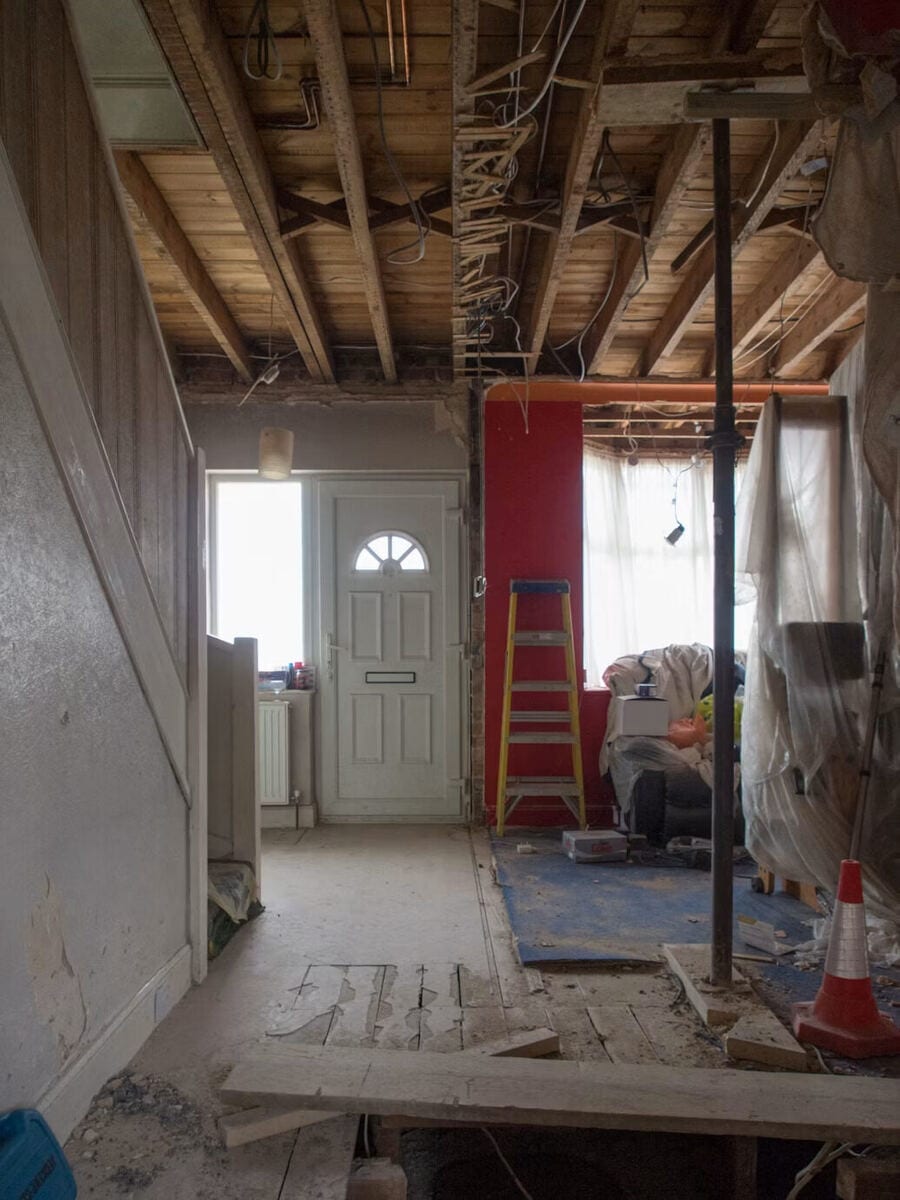
- Unmortgageable properties. A flat with no working kitchen or bathroom, missing structural certification, or significant disrepair usually fails a mortgage valuation outright. Bridging is secured against the property's value, including its after-works value, so it can fund the purchase and refurbishment that gets the property to a mortgageable standard.
- Chain breaks and quick completions. Where a seller wants a fast, uncomplicated sale (probate, a distressed sale, an off-market deal), being able to complete in days rather than months is often what wins the property, independent of price.
- The first stage of a BRRR project. Buy, refurbish, rent, refinance, repeat relies on bridging (or a specialist refurbishment loan) to fund the buy-and-refurbish stage, before refinancing onto a standard buy-to-let mortgage once the property is let and mortgageable. We cover the full mechanics in our BRRR strategy guide.
How Bridge Loans Are Actually Priced

Bridging costs break down into several components, and comparing two quotes on headline rate alone is one of the most common mistakes we see.
| Cost | Typical range | Notes |
|---|---|---|
| Monthly interest rate | 0.5-1.2% per month | Roughly 6-14% annualised, priced monthly because terms are short |
| Arrangement fee | 1-2% of the loan | Usually added to the loan rather than paid upfront |
| Exit fee | 0-1% of the loan | Not all lenders charge one, check before instructing |
| Valuation and legal fees | Several hundred to a few thousand pounds | You typically pay for the lender's solicitor as well as your own |
| Broker fee | Varies | Often justified by access to lenders you can't reach directly |
Interest is usually structured one of three ways: serviced (you pay interest monthly out of your own funds), retained (the lender deducts the full interest for the agreed term from the loan upfront), or rolled-up (interest accrues and is repaid in full at the end, alongside the capital). Rolled-up interest is common on refurbishment bridges where there's no rental income yet to service monthly payments, but it means the amount you owe grows every month you're in the facility, which is exactly why an overrunning project is expensive in a way that isn't obvious from the headline rate.
A Worked Example
Take an illustrative auction purchase at £150,000, bridged at 70% LTV (£105,000) for 6 months at 0.75% a month, rolled up.
| Item | Amount |
|---|---|
| Loan amount | £105,000 |
| Monthly interest (0.75%) | £787.50 |
| Rolled-up interest over 6 months | ~£4,725 |
| Arrangement fee (1.5%) | £1,575 |
| Total cost of the facility | ~£6,300 |
On a deal creating genuine equity through refurbishment, that's a cost well worth paying for the speed it buys. The same facility run for 10 months instead of 6, because refurbishment or refinancing dragged on, costs £7,875 in rolled-up interest and roughly £9,450 including the 1.5% arrangement fee, before valuation, legal and broker fees: the arithmetic that catches out investors who budget bridging cost against the planned timeline rather than a realistic one.
How Lenders Actually Assess a Bridging Application
Because bridging is asset-based lending, the questions a lender asks differ from a mortgage application. Expect scrutiny of the property's current value and, on a refurbishment bridge, its projected after-works value (usually via an independent RICS valuation, not your own estimate); the LTV against that value, typically capped at 70-75%; your exit strategy (sale, or refinance onto a buy-to-let mortgage) and evidence it's realistic, not just stated; your track record on similar projects, especially for larger or more complex loans; and, for a limited company or SPV borrower, a personal guarantee from the directors in most cases.
A decision in principle is not the same as an agreed facility. Rates, terms, and even the loan amount can move once the lender's own valuer has been out and full underwriting is complete. Build in room for that rather than treating an early DIP figure as certain.
The Risks Investors Overlook
Bridging is a genuinely useful tool, but it isn't a low-risk one, and the risks are different in kind from a mortgage's.
- No exit, no bridge you should take. The single biggest risk in bridging is entering a facility without a credible, evidenced way to repay it. "I'll probably be able to refinance" is not an exit strategy a lender should accept, and it shouldn't be one you accept from yourself either.
- Rolled-up interest compounds against you. Every month a project overruns adds to a growing balance, not a flat fee. Refurbishment delays are the most common reason a bridge costs meaningfully more than planned.
- Down valuations bite twice. If the lender's surveyor values the property below expectations at drawdown, you may need to find extra cash to complete. If the same happens at refinance, your exit can be delayed or blocked entirely.
- The 6-month seasoning rule. Many buy-to-let lenders won't refinance a property until you've owned it for a minimum period, commonly around six months, regardless of how ready the property is. A 6-month bridge with an 8-week refurbishment can leave uncomfortably little runway for letting the property, seasoning, and a full remortgage application. We go through this in more depth in our bridging finance structures guide.
- Personal guarantees mean personal exposure. Borrowing through a limited company doesn't insulate you personally if a director's guarantee is in place: a failed exit can expose personal assets, not just the company's.
Bridging vs a Standard Mortgage
| Bridging finance | Standard mortgage | |
|---|---|---|
| Speed | Days to a few weeks | Typically 4-8+ weeks |
| Term | 1-24 months | Usually 20-35 years |
| Pricing | Monthly rate, 0.5-1.2% | Annual rate |
| Underwriting basis | Asset value and exit strategy | Income, affordability, rental cover |
| Property condition | Can lend on unmortgageable property | Property must meet lending standards |
Frequently Asked Questions
Is a bridge loan expensive compared to a mortgage?
Per month, yes, a 0.75% monthly rate is roughly 9% annualised, well above most mortgage rates. Per project, it depends entirely on how long you're actually in the facility and what the speed or flexibility made possible. Short, well-planned bridges on genuine value-add deals are often cheap relative to the equity they unlock; long, overrunning ones rarely are.
How fast can a bridge loan actually complete?
Specialist bridging lenders can complete in as little as a few days for straightforward cases, though 2-3 weeks is a more realistic planning assumption once valuation and legal work are accounted for. Auction completions of 28 days are comfortably achievable with finance arranged early.
Can I get a bridge loan with no deposit?
Not in the way it's sometimes marketed. Every genuine "no-deposit" or "100% LTV" structure is secured on something else: cross-charged equity in another property, or a below-market-value purchase where the discount itself substitutes for a deposit. We break down exactly how these structures work, and what discount they actually require, in our 100% LTV bridging guide.
What happens if I can't repay the bridge on time?
Most lenders will discuss an extension if you're communicating early and the exit is genuinely close, often at an additional fee and continuing interest. Going silent, or having no credible exit at all, is what leads to default, and ultimately to the lender enforcing on the security. This is precisely why the exit strategy has to be real before you draw the facility, not something you figure out later.
Is a bridge loan regulated?
It depends on the security. Bridging secured against a property that is, or will be, your own residence is regulated by the FCA. Bridging secured purely against an investment property is generally unregulated, which gives lenders more flexibility on structure but means fewer standard consumer protections apply. Read the facility terms carefully either way.
Key Takeaways
- Bridging is priced and underwritten against the asset and your exit strategy, not your income.
- It solves problems a mortgage can't: speed for auctions, and finance for unmortgageable property.
- Compare the total cost of the facility over a realistic timeline, not just the headline monthly rate.
- Rolled-up interest compounds: an overrunning project is the most common reason bridging costs more than planned.
- Never draw a bridge without a credible, evidenced exit strategy already in place.
This article is for general information only and isn't financial advice. Bridge loan terms, rates, and lender criteria vary significantly by deal. Speak to a whole-of-market broker or independent financial adviser before committing to a facility.
Model the Real Cost Before You Commit
Bridging cost depends entirely on purchase price, LTV, monthly rate, and duration. Get any one of those wrong in your planning and the whole deal's economics shift. Our Deal Analyser derives bridge cost directly from those inputs alongside refurb and holding costs, so you can see the real total before making an offer. If your exit is a refinance rather than a sale, our Remortgage Break-Even Calculator shows how quickly the new deal clears its own switching costs.