Commercial to Residential Conversion in England: Class MA Rules, Costs and Due Diligence (2026)
Class MA lets you convert shops and offices into homes in England without a full planning application. Here are the 2024 rule changes, the prior approval tests, and the building, legal and tax checks that decide viability.

Quick answer: In England, Class MA permitted development lets you convert a building in Class E use (shops, offices, cafés, gyms, clinics and similar) into homes without a full planning application. You still need prior approval from the council. Since 5 March 2024 there is no floorspace cap and no requirement for the building to be vacant, but it must have been in Class E use for two continuous years before you apply. Every home must meet the nationally described space standard and have adequate natural light, building regulations apply in full, and the conversion must be completed within three years of approval. Check for Article 4 directions, business tenants' rights and the mortgageability of the finished flats before you buy.
A commercial-to-residential conversion can be one of the most profitable projects in UK property, because commercial buildings are often priced on weak commercial demand while the finished flats are priced on strong residential demand. It is also a project where the numbers can collapse over a planning condition, a fire strategy or a tenant with a protected lease. This guide covers how Class MA works, the due diligence that decides whether a commercial-to-residential conversion is viable, and the costs that catch investors out.
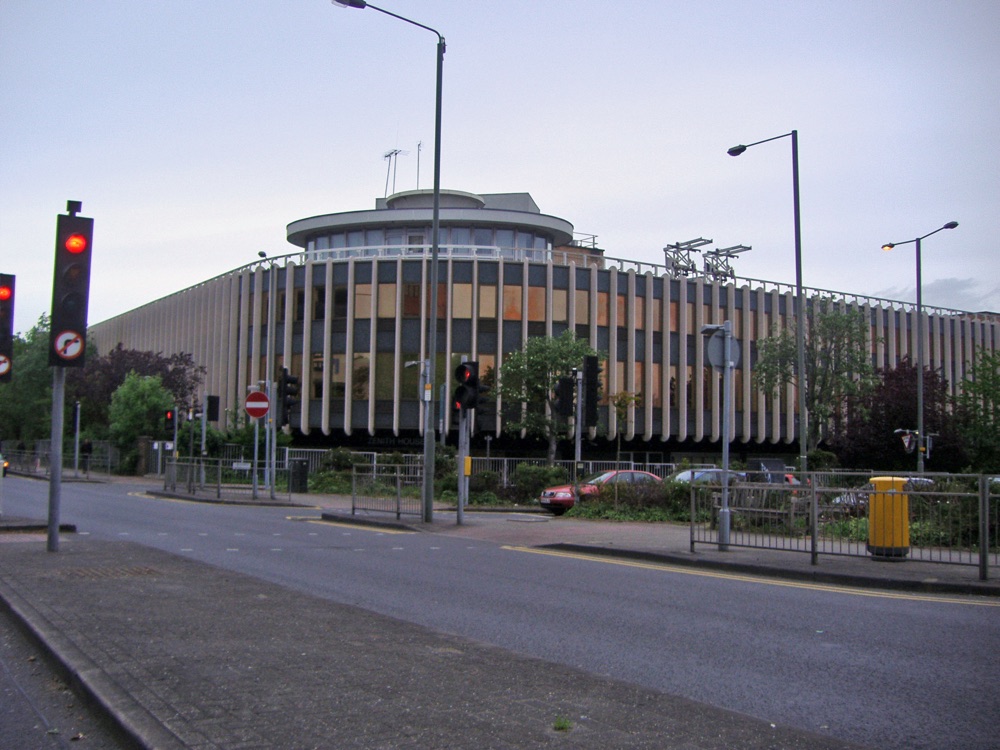
What does Class MA permitted development allow?
Class MA sits in Part 3 of Schedule 2 to the General Permitted Development Order. It grants a national permission to change the use of a building from Class E (commercial, business and service) to Class C3 (dwellinghouses), subject to conditions and a prior approval process. It applies in England only. Wales and Scotland have their own planning systems.
The right was loosened by an amendment order that took effect on 5 March 2024, which removed two restrictions that had ruled out many buildings:
- the 1,500 square metre cap on floorspace that could change use, and
- the requirement for the building to have been vacant for three months before the application.
Which Class MA conditions still apply?
- Two years of Class E use. The building must have been in Class E use (or a qualifying predecessor use) for a continuous period of at least two years before the prior approval application.
- Excluded land and buildings. Class MA does not apply to listed buildings, scheduled monuments, sites of special scientific interest, National Parks, National Landscapes (formerly AONBs), the Broads or World Heritage Sites.
- Article 4 directions. A council can remove Class MA rights in a defined area with an Article 4 direction. Several London boroughs have done so for town centres and employment areas, so check the council's website before anything else.
- Space standards. Every home created through permitted development must meet the nationally described space standard. As a guide, that means at least 37 square metres for a one-bedroom, one-person flat with a shower room, 50 square metres for a one-bedroom, two-person flat, and 61 square metres for a two-bedroom, three-person flat.
- Three-year completion. The change of use must be completed within three years of the prior approval date.
What does the council assess in Class MA prior approval?
Prior approval is not a full planning application, but it is not a formality either. The council can assess:
- transport impacts, particularly safe site access;
- contamination risks;
- flooding risks;
- noise from commercial premises on the intended occupiers;
- in a conservation area, the impact of losing ground-floor commercial use;
- whether every habitable room has adequate natural light;
- the impact of introducing homes into an important industrial or storage area;
- the loss of a registered nursery or health centre; and
- fire safety, for buildings meeting the height threshold.
Natural light is one of the most common reasons for refusal. Deep office floorplates, rear rooms facing a lightwell and basement space often fail it. Commission a daylight assessment before you commit to a unit layout, not after. The council has 56 days to determine a prior approval application. The application fee rose to £250 per new home from 1 April 2025, so a ten-flat scheme pays £2,500 before any consultant reports.
Class MA is not the only route. A full planning application may still make sense if the building is excluded, affected by an Article 4 direction, or if you want to extend or add storeys as part of the scheme.
What physical due diligence does a commercial-to-residential conversion need?
The building decides whether the planning permission turns into profitable homes. Get a building surveyor and, ideally, an architect to walk the building before you offer.
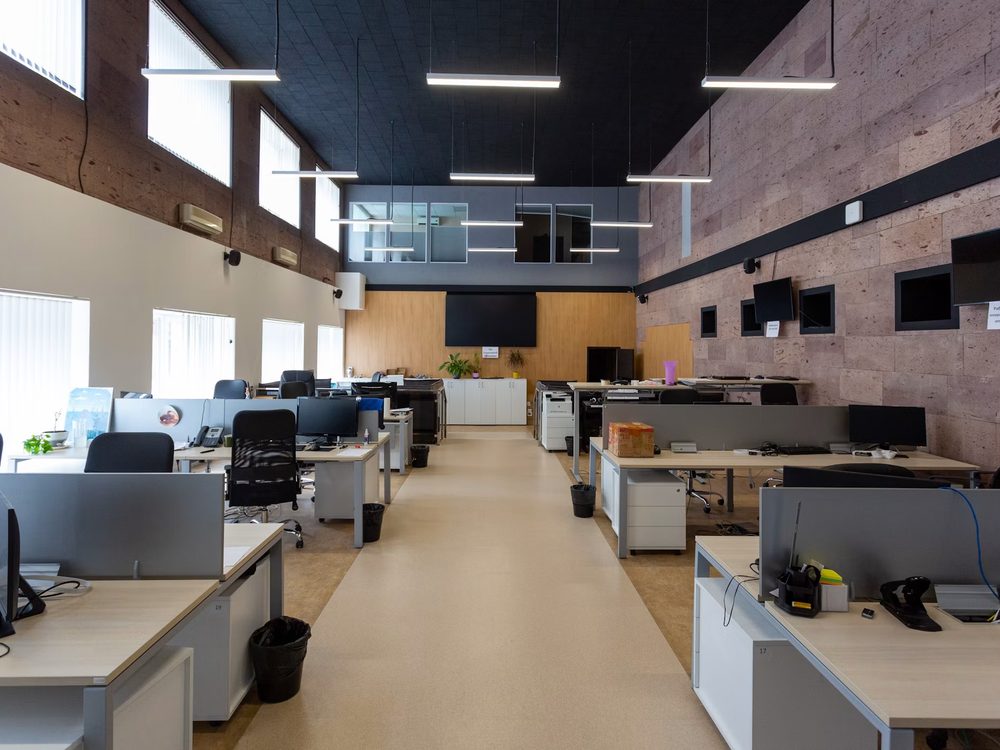
- Layout and light. Can the floor plate be divided into flats where every habitable room has a window? Are floor-to-ceiling heights adequate once new floors, ceilings and services go in?
- Structure. Look for movement, water ingress, roof condition and the state of the frame. Commercial buildings built for open-plan use may need new structural openings or support.
- Fire safety. Residential use needs protected escape routes, compartmentation between flats, alarms and potentially sprinklers. Where a building is at least 18 metres or seven storeys tall with two or more homes, it is a higher-risk building and the Building Safety Regulator is the building control authority, with its own approval gateway before work starts. From 30 September 2026, amended fire safety guidance also requires a second staircase in new residential buildings with a storey 18 metres or more above ground, and a conversion of a tall building can be caught depending on the work involved, so get a fire engineer's view before pricing any building of that height.
- Sound insulation. Party floors and walls between flats must meet residential sound insulation standards. Retained commercial units below or beside the flats make this harder.
- Services. Check electricity capacity, water, drainage, heating and ventilation for multiple separate dwellings, and whether each flat can have separate meters.
- Asbestos. Any building constructed before 2000 may contain asbestos. A refurbishment and demolition survey before works is a legal requirement and can change the budget. We ran into exactly this on our Innes Gardens refurb.
The conversion is also a material change of use under the building regulations, so full building regulations approval is required alongside prior approval. The two are separate processes.
What legal due diligence is needed?
- Title and covenants. A restrictive covenant against residential use, or rights of way through the building, can stop a scheme regardless of planning.
- Existing business tenants. A business tenant with a lease inside the Landlord and Tenant Act 1954 has security of tenure and a right to a new lease. You can oppose renewal on redevelopment grounds, but it takes time and may involve statutory compensation. Price a building with protected tenants on the basis of when you will really get vacant possession.
- Planning history. Review previous applications, refusals, conditions and enforcement on the council's register. A condition restricting the use of the building can remove permitted development rights.
Which taxes and costs are specific to conversions?
- Stamp duty on purchase. A commercial building is charged at non-residential SDLT rates, with a top rate of 5% and no additional-dwelling surcharge. Our commercial stamp duty calculator works it out.
- VAT on works. HMRC's VAT Notice 708 allows a reduced 5% rate on qualifying works to convert non-residential premises into dwellings, and the first sale or long lease of a converted dwelling by the person who converted it can be zero-rated. Both have conditions, so get the VAT position confirmed early.
- Community Infrastructure Levy. Permitted development schemes can be liable for CIL. Existing floorspace can usually be deducted if it has been in lawful use for at least six months in the three years before the development starts. A building left empty too long can lose that deduction.
- No affordable housing obligation. Permitted development can't be made subject to a section 106 affordable housing contribution, which is one reason conversions can be more viable than new-build schemes.
- Contingency. Conversions uncover surprises. A contingency of 10% to 15% of the works budget is a sensible starting point for an older building.
Class MA due-diligence checklist
Before offering on a building for a commercial-to-residential conversion, confirm:
- Use history: evidence of two continuous years in Class E use, such as leases, business rates records and trading accounts.
- Location: no Article 4 direction, listing or excluded designation removes Class MA rights.
- Layout: a test layout where every flat meets the space standard and every habitable room has a window.
- Daylight and noise: specialist reports on natural light and noise from neighbouring commercial uses.
- Height and fire: whether the building is a higher-risk building or needs a second staircase.
- Vacant possession: the status of every business tenant and when possession can realistically be obtained.
- Title: no restrictive covenant or right of way that blocks residential use.
- Costs: SDLT, VAT treatment, CIL, prior approval fees, building regulations, asbestos and a contingency.
- Exit: lender appetite and comparable sales or rents for the finished flats.
The exit: will the flats be mortgageable?
The finished flats are only worth their comparable value if a normal buyer can get a mortgage on them. Lenders look carefully at flats in converted commercial buildings, particularly above retained shops, takeaways or bars. They also want an appropriate warranty or professional consultant's certificate on newly converted homes, building regulations completion certificates, and evidence of the fire strategy.
If you plan to hold and refinance rather than sell, check that local rents support the refinance at a lender's stressed interest rate. Our buy-to-let affordability calculator shows how much each flat's rent will support. And if the flats end up on one freehold title, our guide to title splitting covers how to structure them so each can be sold or mortgaged individually.
Frequently Asked Questions
Does Class MA apply in conservation areas?
Yes, since 5 March 2024 conservation areas are no longer excluded. But the council can consider the impact of losing ground-floor commercial use on the character of the area as part of prior approval.
Does the building need to be empty to use Class MA?
No. The three-month vacancy requirement was removed on 5 March 2024. The building must still have been in Class E use for two continuous years before the application, and you will need vacant possession to carry out the works.
How long does Class MA prior approval take?
The council has 56 days from a valid application to make a decision. Building regulations approval, any higher-risk building approval and the works themselves run on separate timelines.
Can I convert a shop into a flat without planning permission?
Often yes, through Class MA prior approval, provided the shop is in Class E use, has been for two years, is not excluded land or subject to an Article 4 direction, and the flat meets the space standard and natural light test.
Do space standards apply to permitted development flats?
Yes. Since April 2021 every home created through permitted development in England must meet the nationally described space standard.
How much does a Class MA prior approval application cost?
The planning fee is £250 per new home from 1 April 2025. On top of that, budget for the reports that support the application, typically a daylight assessment, a noise assessment, a flood risk assessment where relevant, and transport or contamination information.
Does a commercial-to-residential conversion need a second staircase?
Only for tall buildings. From 30 September 2026, amended fire safety guidance requires a second staircase in new residential buildings with a storey 18 metres or more above ground. Whether a conversion of an existing tall building is caught depends on the building work involved, so take fire engineering advice early.
Is VAT charged on conversion works?
Qualifying works to convert a non-residential building into dwellings can be charged at the reduced 5% rate, and the first sale or long lease of a converted dwelling by the developer can be zero-rated. Both depend on conditions in HMRC's VAT Notice 708.
Key Takeaways
- Class MA lets you convert Class E buildings to homes in England through prior approval rather than a full planning application.
- Since 5 March 2024 there is no floorspace cap and no vacancy requirement, but two years of continuous Class E use is still required.
- Natural light, noise, fire safety and space standards are where most schemes succeed or fail.
- Business tenants protected by the 1954 Act, restrictive covenants and Article 4 directions can stop a scheme regardless of the planning route.
- Budget for building regulations, asbestos, CIL and a contingency, and confirm the finished flats will be mortgageable.
This article is general information, not planning, legal or tax advice. Permitted development rights, prior approval requirements and local Article 4 directions vary by site and change over time. Take advice from a planning consultant, a solicitor and a tax adviser before buying a building for conversion.