Auction Legal Pack: 8 Things to Check Before You Bid on a UK Property
At auction the contract is binding when the hammer falls. The eight parts of the legal pack we read before every bid, from the title and the lease to the special conditions that can add uncapped buyer costs, with real examples from our Arnold Road purchase.

Quick answer: At a UK property auction the contract is binding when the hammer falls, so the legal pack is your only chance to find problems before you commit. Read eight things before you bid: the title register and plan, the lease, the special conditions of sale, the searches, the management pack, any tenancy documents, planning and building regulation papers, and the addendum issued on the day. The special conditions matter most, because they can add buyer costs on top of the price and change the completion date. Set your maximum bid only after those costs are in your numbers.
We read every auction legal pack before we bid, and on our last purchase, a one-bedroom flat in Tooting, the pack shaped the plan more than the viewing did. This guide lists the eight parts of an auction legal pack we check, what each one can hide, and the questions we put to our solicitor before auction day.
Why does the auction legal pack matter so much?
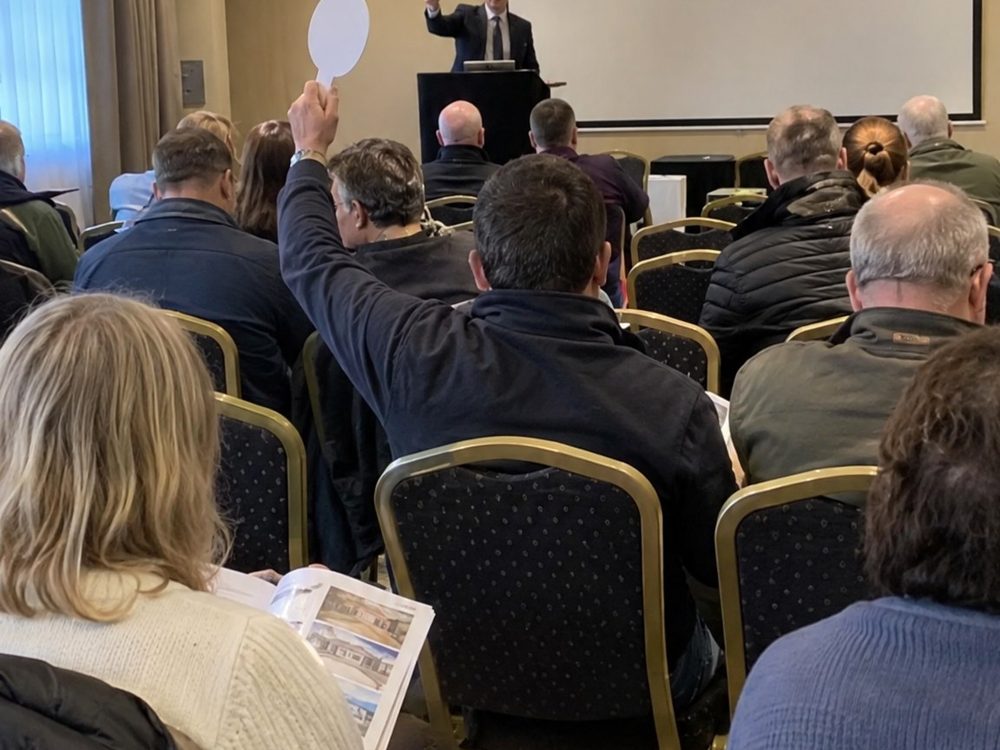
Because there is no going back. In a traditional auction, contracts are exchanged when the hammer falls. You pay a deposit, usually 10% of the price, on the day, and you must complete within the period set in the conditions, often 20 to 28 days. If you then find a problem in the legal pack, you are still bound to buy. Our guide to buying at auction in the UK covers how the day itself works. This guide is about the reading you do before it.
1. The title register and title plan
The title register, from HM Land Registry, shows who owns the property, the class of title, and any charges, restrictions or rights over it. Check that the seller is the registered owner, that the title is absolute rather than possessory, and that nothing in the charges register will survive completion. Compare the title plan with what you saw on the viewing. On a flat, make sure the demise includes everything you expect, such as a garden or a parking space.
2. The lease
For a leasehold flat, the lease decides most of the value. Check the unexpired term, the ground rent and how it rises, the service charge provisions, and the restrictions on alterations and letting. A lease under 80 years means marriage value on any extension, which our lease extension calculator estimates. At Arnold Road the pack showed a new 990-year lease with a peppercorn ground rent, which removed the biggest risk on a cheap flat. It also showed that almost every alteration needs the freeholder's consent and that short stays and holiday lets are banned.
3. The special conditions of sale
This is the part people skip, and the part that costs them. Most auctions use the RICS Common Auction Conditions as the general conditions, and each lot adds its own special conditions on top. The special conditions override the general ones. Look for:
- Extra buyer costs: the seller's legal fees, search fees, administration fees, or arrears of service charge and ground rent.
- Whether those costs are fixed or uncapped. At Arnold Road some were uncapped, so we priced them in before setting our ceiling.
- The completion date, and any interest charged if you complete late.
- VAT on the price, which applies to some commercial and mixed-use lots.
4. The searches
A full pack includes a local authority search, a drainage and water search and often an environmental search. They show planning history, road schemes, enforcement notices and flood risk. If the pack has no searches, budget for them yourself and allow time, because some lenders will not lend without them.
5. The management pack and service charge accounts
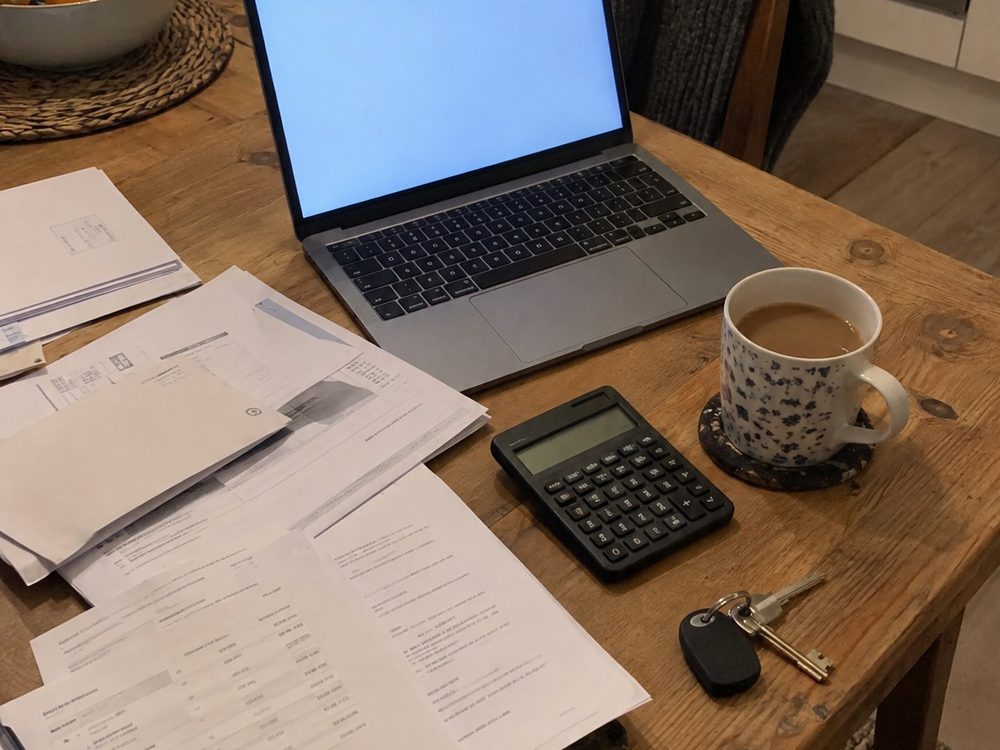
For a flat, the management pack (often an LPE1 form) shows the current service charge, the budget, any reserve fund and any major works planned. A low service charge with no reserve fund can mean a large bill later. At Arnold Road the service charge was £1,142.15 a year on the 2026/27 estimate, including about £508 of buildings insurance under the freeholder's block policy.
6. Tenancy documents, if the property is let
If the property is sold with a tenant, check the tenancy agreement, the rent, any arrears and the deposit protection certificate. Since 1 May 2026, tenancies in England are assured periodic tenancies, and possession goes through Section 8 grounds, which our Section 8 timeline guide explains. A tenanted lot can be a good buy, but price in the time it would take to get the property back if you need to.
7. Planning, building regulations and indemnity policies
Extensions, loft conversions and removed walls should have planning permission where needed and building regulations sign-off. Where they don't, the special conditions often offer an indemnity policy instead. That protects against enforcement costs, but it doesn't make the work safe, and some lenders won't accept it. Ask your surveyor to look at any work the papers don't cover.
8. The addendum
The auctioneer can issue an addendum up to the start of the auction, changing the conditions, the fees or even what is being sold. You are bound by it whether or not you read it. Ask for it on the morning, and don't bid on a lot whose addendum you haven't seen.
How to turn the pack into a maximum bid
Start from the value you expect after any works, then subtract the refurbishment, the extra buyer costs from the special conditions, stamp duty (our stamp duty calculator works it out), legal and finance costs, and the margin you need. What is left is your maximum bid. Write it down before the auction and stop there. At Arnold Road we paid £281,000 against a £210,000 guide, but we had set that ceiling from the numbers before the day. Our list of property deal red flags covers the warning signs that should stop you bidding at all.
Frequently Asked Questions
When is the legal pack available?
Usually a few weeks before the auction, on the auctioneer's website. Packs can be updated, so check the date of each document and download the latest version before you bid.
Do I need a solicitor to read the legal pack?
We always use one. A solicitor can spot defects in title, lease terms and special conditions that are easy to miss, and can tell you what questions to raise with the seller's solicitor before the day.
What are the special conditions of sale?
Terms specific to one lot, added on top of the general auction conditions. They override the general conditions and often add buyer costs or change the completion date.
What happens if I don't complete on time?
You can lose your deposit and be liable for the seller's losses, and most conditions charge interest on late completion. Arrange your finance before you bid.
Can I rely on the guide price?
No. A guide price is a marketing figure. Arnold Road was guided at £210,000 and sold for £281,000. Set your own maximum from the legal pack and your numbers.
Key Takeaways
- At auction the contract is binding when the hammer falls, so read the legal pack before you bid.
- Check eight things: title, lease, special conditions, searches, management pack, tenancies, planning papers and the addendum.
- The special conditions can add uncapped buyer costs and change the completion date.
- For flats, the lease length, ground rent, service charge and restrictions decide most of the value.
- Put every extra cost into your numbers, set a maximum bid in advance, and stop there.
This article is general information, not legal or financial advice. Always have a solicitor review an auction legal pack before you bid.