What Documents Must a Landlord Give a Tenant? A Complete UK Move-In Checklist
Six documents an England landlord needs to hand over before a tenant moves in: miss the deposit prescribed information or an expired gas certificate, and you can end up unable to recover the property at all.

Quick answer: Before a tenant moves into an English rental, a landlord needs to hand over a valid Gas Safety Certificate (if there's gas), a current EICR, a valid EPC, the government's "How to Rent" guide, and the deposit's prescribed information within 30 days of taking it. A written tenancy agreement isn't strictly compulsory in every case, but skip any of the others and you can end up unable to recover possession later, or facing a fine. Scotland, Wales, and Northern Ireland run different systems entirely.
Most of the disputes we've seen between landlords and tenants trace back to something that should have been sorted on day one: a document that was never handed over, or handed over late. It rarely feels urgent when you're mid-handover with keys, meter readings, and a moving van outside. It becomes very urgent the day you need to serve notice and discover the paperwork isn't in order.
This is what actually needs to go to a tenant before or at the start of a tenancy in England, and why each one matters.

The core documents, at a glance
| Document | When it's due | What happens if you skip it |
|---|---|---|
| Tenancy agreement / written statement of terms | Before the tenancy starts | Tenant defaults to basic statutory terms; disputes get harder to resolve |
| Gas Safety Certificate | Before occupation, then annually | Criminal offence; can block certain possession routes |
| EICR | Before occupation, then every 5 years | Council enforcement notice, fines up to £30,000 |
| EPC | Before marketing, and again to the tenant at move-in | Fines up to £5,000 |
| Government "How to Rent" guide | At the start of the tenancy | Can prevent certain possession claims until it's remedied |
| Deposit prescribed information | Within 30 days of receiving the deposit | Compensation claim of 1-3x the deposit; possession restrictions |
Tenancy agreement or written statement of terms
A written agreement isn't a formality. It's the document both sides point to when something goes wrong. It should cover rent and payment dates, deposit amount and scheme, length of the tenancy, who's responsible for what repairs, notice periods, and any restrictions like a no-pets or no-smoking clause.
Since the Renters' Rights Act came into force in May 2026, there's no more fixed-term assured shorthold tenancy to draft around. Every tenancy is now a rolling periodic one from day one. We wrote a full breakdown of what changed in our Renters' Rights Act guide, but the short version for paperwork purposes is that the agreement still needs to exist and still needs to be accurate; it just can't promise a fixed term that the law no longer recognises.
Gas Safety Certificate
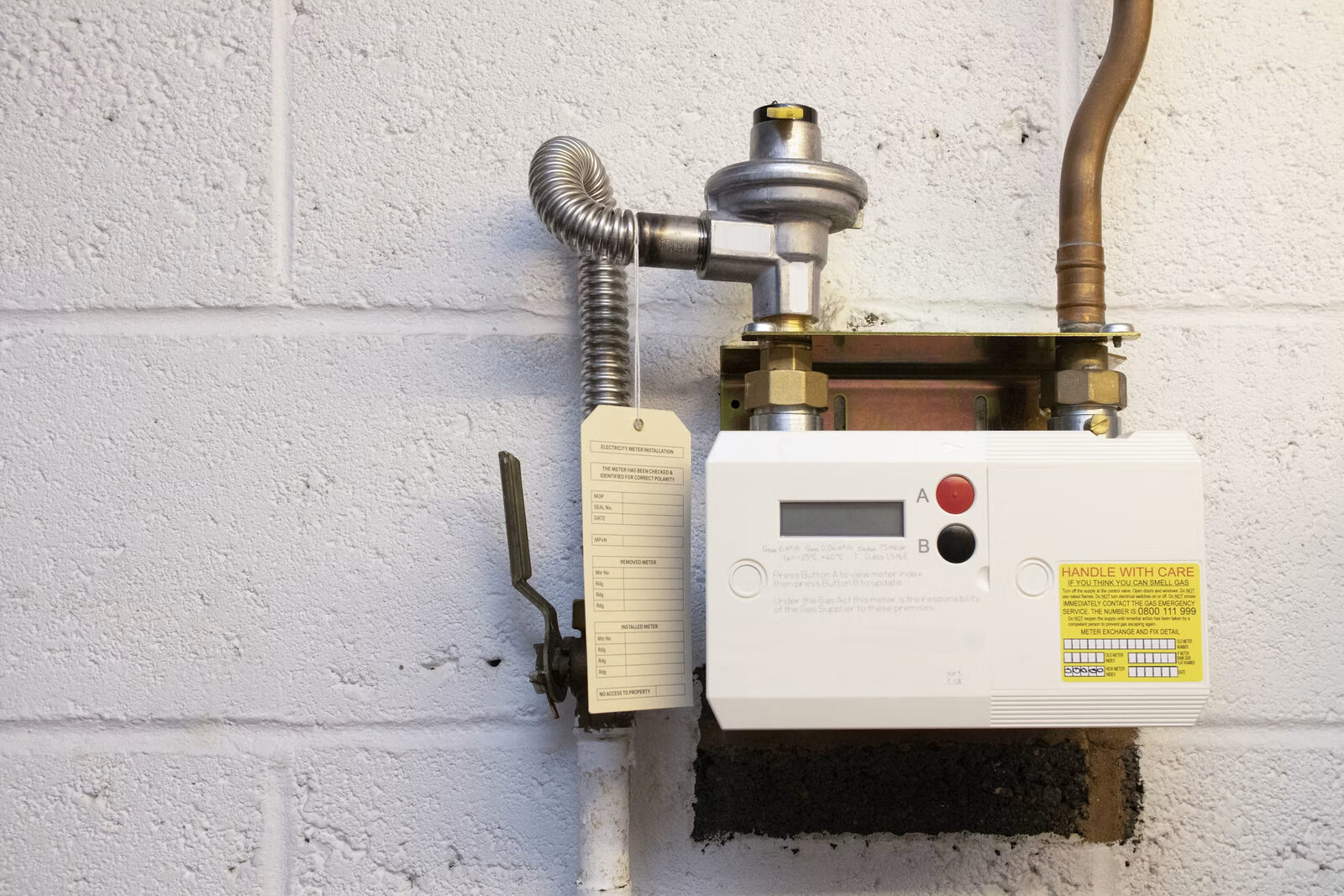
If the property has a gas boiler, cooker, or fire, a Gas Safe registered engineer needs to inspect it every 12 months, and the tenant needs a copy of the current certificate before they move in. This is one of the few landlord obligations that's genuinely non-negotiable. An expired certificate is a criminal offence, not just a paperwork gap, and it's the first thing a tenant's solicitor checks if a dispute ends up in court.
Electrical Installation Condition Report (EICR)
Most privately rented homes in England need a valid EICR, renewed at least every 5 years under the Electrical Safety Standards in the Private Rented Sector (England) Regulations 2020, confirming the fixed wiring is safe and listing any remedial work. Hand the tenant a copy before they move in. If the report flags urgent work (classified C1 or C2), that work needs doing within 28 days, or sooner if the report says so, not "before the next inspection."

Energy Performance Certificate (EPC)
An EPC needs to exist before you even market the property, and a copy goes to the tenant at the start of the tenancy. Per the Minimum Energy Efficiency Standard (MEES) guidance, most rented homes currently need to meet band E or above unless a valid exemption is registered, though a tightening to band C has been proposed for years and hasn't landed yet, so check the current government position before assuming either way.

The government's "How to Rent" guide
For most tenancies in England, landlords need to give tenants the current edition of the government's "How to Rent" guide, not last year's PDF sitting in a folder somewhere, the one live on GOV.UK right now. The guide gets updated periodically, including after the Renters' Rights Act reforms, and using an outdated version can count against you in the same way as not providing it at all.
Deposit protection and prescribed information
Take a deposit, and it has to go into an authorised scheme within 30 days. Separately (and landlords miss this half more often than the first), you have to give the tenant the prescribed information: which scheme is holding the deposit, the scheme's contact details, how disputes get resolved, and the conditions for getting it back. Miss the deadline and a tenant can claim compensation of between one and three times the deposit, on top of whatever restrictions it puts on your ability to serve notice later.

Worth doing even though it's not compulsory
The documents above are the legal floor. A few extras cost almost nothing to put together and save real arguments later:
- A dated, photographed inventory and schedule of condition, the single best piece of evidence if a deposit dispute goes to adjudication.
- A record that smoke and carbon monoxide alarms were tested on move-in day.
- Manuals for the boiler and any appliances, so the tenant isn't calling you about a heating system they haven't figured out yet.
- The basics a new tenant actually needs on day one: emergency contact number, who supplies gas/electric/water, where the stopcock and fuse board are, and when the bins go out.
How to prove you actually provided everything
Handing something over means nothing later if you can't show you did it. Email documents as PDFs rather than handing over paper, ask for a short reply confirming receipt, and keep that email. If you use an e-signature platform for the tenancy agreement, that timestamp does the same job. None of this needs to be elaborate. It just needs to exist and be retrievable two years from now, because that's usually when it gets tested.
Where landlords actually go wrong
The mistakes we see aren't usually about not knowing the rules. They're about timing and record-keeping. An expired gas certificate that lapsed mid-tenancy and didn't get renewed on time. Prescribed deposit information that went out 40 days after the deposit, not 30. A "How to Rent" guide that's two editions out of date. An EICR that's been sitting in an inbox rather than in the tenant's hands. And, for landlords with property in more than one part of the UK, assuming the England rules apply everywhere. They don't.
England isn't the UK
Scotland runs Private Residential Tenancies under entirely different legislation. Wales has Renting Homes (Wales) Act occupation contracts. Northern Ireland has its own private tenancies framework. If you're comparing notes with another landlord, check which nation their property is actually in before assuming the same document list applies.
How we handle this
We manage every property we let ourselves, from refurbishment through to the tenancy itself, so the document checklist above isn't something we do once and file away. It's part of how every handover runs. The same records also feed straight into the PRS Database registration rolling out from late 2026, so a tidy compliance file now saves a scramble later. If you'd rather not be the one tracking EICR renewal dates and deposit deadlines across a portfolio, our investors page covers how that side of things works when you invest alongside us instead of holding a property directly.
Frequently asked questions
Can I send tenancy documents by email instead of on paper?
Yes, in most cases. Email is the standard method now, provided the tenant hasn't specifically asked for paper copies and you keep a record of what was sent and when.
What actually happens if I forget the "How to Rent" guide?
It depends on the tenancy and the circumstances, but it can block certain possession routes until you serve the guide and restart the relevant notice period. If you've already served notice and aren't sure whether the guide went out, get advice before relying on it in court.
Do HMOs need the same documents as a standard let?
Yes, the core list still applies: gas, electrical, EPC, deposit, tenancy terms. HMOs also carry additional licensing conditions on top, which vary by local authority.
Is the document list the same in Scotland or Wales?
No. Each UK nation has its own tenancy legislation and its own document requirements. Check the rules for wherever the property actually is, not where you live.
How long do I need to keep copies of everything?
At minimum, for the length of the tenancy plus however long a deposit or possession dispute could realistically be raised afterwards, in practice, most landlords keep records for several years after a tenancy ends.
Key takeaways
- Gas Safety Certificate, EICR, and EPC all need to be current and in the tenant's hands before they move in.
- Deposit prescribed information has a hard 30-day deadline, separate from protecting the deposit itself.
- Give tenants the current edition of the "How to Rent" guide, not an old copy.
- Keep evidence that documents were actually sent and received, not just that they were prepared.
- England, Scotland, Wales, and Northern Ireland each run different systems. Don't assume one list covers a UK-wide portfolio.
This article is for general information only and isn't legal advice. Housing legislation changes regularly and requirements differ across the UK. Check current GOV.UK guidance or speak to a qualified solicitor before relying on anything here for a specific tenancy.