Buy-to-Let Mortgages Explained: Deposits, Stress Tests and How Much You Can Borrow
A buy-to-let mortgage is underwritten on the rent, not your salary. Here is the deposit you need, how the interest cover ratio and stress test cap your borrowing, and the rules for portfolio landlords.

Quick answer: A buy-to-let mortgage is a loan for a property you intend to rent out rather than live in. Most lenders want a deposit of at least 25% (a 75% loan-to-value), and how much you can borrow is driven mainly by the expected rent, not your salary. Lenders apply an interest cover ratio, commonly 125% to 145% of the mortgage payment, tested at a stressed interest rate of at least the higher of 5.5% or 2 percentage points above the product rate. Most buy-to-let mortgages are interest-only, which keeps monthly payments low but leaves the full loan to repay at the end of the term.
A buy-to-let mortgage is the finance most landlords use to build a rental portfolio, and it works quite differently from the residential mortgage on your own home. The lender is underwriting the rent the property produces as much as your personal income, the deposit is larger, and affordability is decided by a stress test set by the regulator. This guide explains how a buy-to-let mortgage works, how much you can borrow, and the rules that catch out first-time landlords.
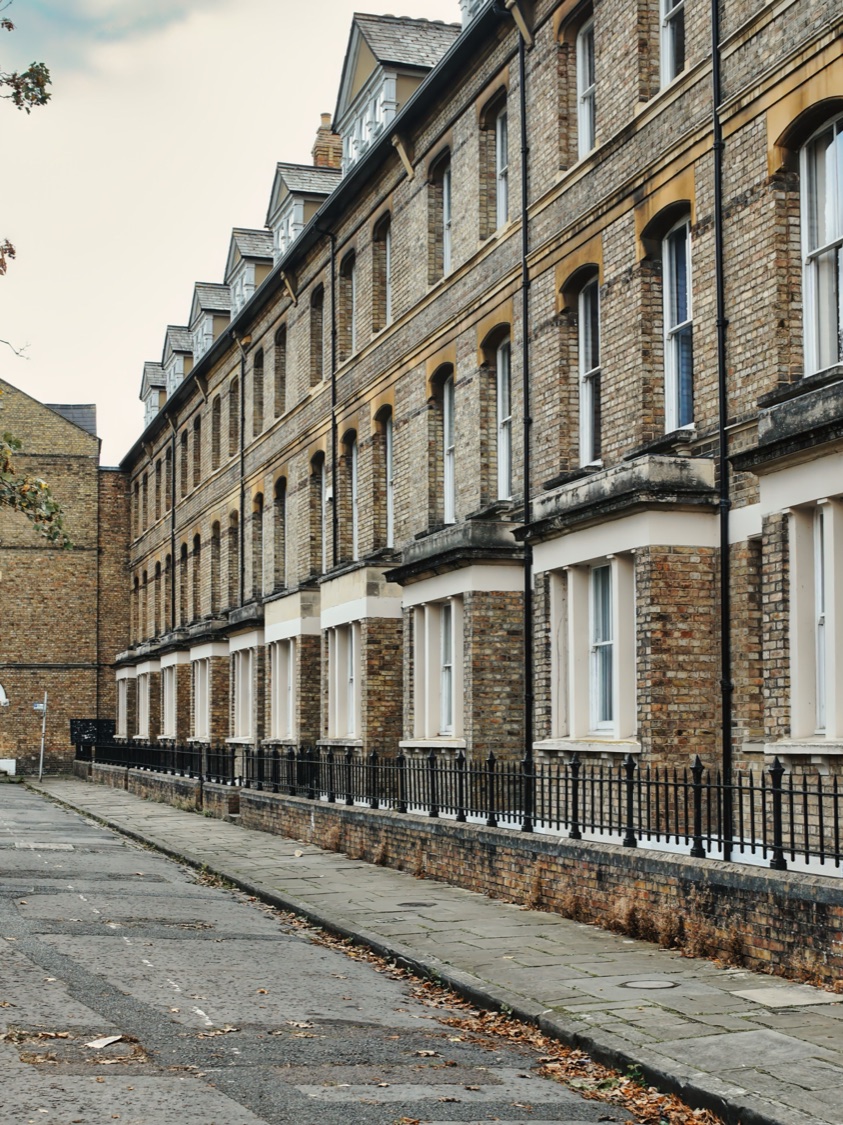
How a buy-to-let mortgage differs from a residential one
On a residential mortgage the lender asks whether your income can cover the payments. On a buy-to-let mortgage the main question is whether the rent can, so the property's rental income does most of the work in the affordability assessment. Three practical differences follow: the deposit is larger, the interest rate and fees are usually higher, and most buy-to-let mortgages are arranged on an interest-only basis. Interest-only means you pay only the interest each month and repay the capital in full when you sell or refinance, which improves monthly cash flow but relies on the property holding its value.
How much deposit you need
Most lenders require a minimum deposit of 25%, giving a maximum loan-to-value of 75%, though a few products go to 80% or even 85% at higher rates. A larger deposit unlocks better interest rates and makes the affordability stress test easier to pass, because a smaller loan needs less rent to cover it. In practice, many investors treat 25% as the working assumption and hold a little more back for stamp duty, legal fees and a refurbishment buffer.
How much you can borrow: the stress test
This is the part first-time landlords underestimate. Under the Bank of England Prudential Regulation Authority's underwriting standards for buy-to-let, lenders test affordability two ways. They apply an interest cover ratio, requiring the rent to exceed the mortgage payment by a set margin, and they test it at a stressed interest rate, not the actual pay rate.
- Interest cover ratio: the rent must typically be 125% to 145% of the mortgage payment. Lenders usually apply around 125% for basic-rate taxpayers and 145% for higher-rate taxpayers, reflecting the extra tax on rental profit.
- Stressed interest rate: affordability is tested at a rate of at least the higher of 5.5% or 2 percentage points above the product rate, so the sums have to work even if rates rise.
The effect is that borrowing is capped by rent, not just by deposit. A property needs enough rent to clear the interest cover ratio at the stressed rate before the loan is approved. Our buy-to-let affordability calculator runs exactly this test, so you can see the maximum loan a given rent supports before you make an offer.
Rates, fees and product types
Buy-to-let interest rates are typically higher than residential rates, and arrangement fees are often larger, sometimes charged as a percentage of the loan rather than a flat amount. A high fee can buy a lower headline rate, so compare the total cost over the fixed period rather than the rate alone. Fixed-rate deals of two or five years are the norm; a five-year fix can also make the stress test easier, because some lenders stress five-year fixes less harshly than shorter deals.
Portfolio landlords and limited companies
If you hold four or more mortgaged buy-to-let properties you are a "portfolio landlord" under the regulator's rules, and lenders apply extra scrutiny to your whole portfolio, not just the property you are buying. Many landlords now buy through a limited company instead of in their own name, because company mortgage interest remains fully deductible while personal landlords only get a 20% tax credit under Section 24. The trade-off between the two is a genuine calculation, not a rule of thumb, and we cover it in the Section 24 tax calculator.
Regulated versus unregulated buy-to-let
Most buy-to-let lending is a business transaction and is not regulated by the Financial Conduct Authority. The exception is "consumer buy-to-let", broadly where you did not set out to be a landlord, such as inheriting a property or letting a former home, which is FCA-regulated and comes with extra consumer protections. The general position is explained in plain terms by MoneyHelper's buy-to-let guide. If you are unsure which category you fall into, a mortgage broker will confirm it before you apply.
Frequently Asked Questions
Can I get a buy-to-let mortgage as a first-time buyer?
It is possible but harder. Many lenders require you to already own your own home, and those that accept first-time buyers ask for a larger deposit and stronger income. A broker can identify the lenders that will consider you.
Is a buy-to-let mortgage interest-only or repayment?
Most are interest-only, which keeps monthly payments low and the capital outstanding until you sell or refinance. Repayment buy-to-let mortgages exist and clear the loan over the term, but the higher monthly cost makes the rental cash flow tighter.
How much rent do I need to get the mortgage?
Enough to pass the interest cover ratio at the stressed rate. As a rough guide the rent usually needs to be 125% to 145% of the mortgage payment calculated at a rate of at least 5.5%, so a higher target rent is needed than the actual monthly payment suggests.
Do I pay extra stamp duty on a buy-to-let?
Yes. A buy-to-let or second property attracts the higher rate of Stamp Duty Land Tax on top of the standard rates. It is a significant upfront cost, covered in our separate guide to buy-to-let stamp duty.
Should I buy in a limited company or my own name?
It depends on your tax position and plans. Companies keep full mortgage interest deductibility but add corporation tax and the cost of extracting profit, while personal ownership is simpler but restricted by Section 24. Model both before deciding.
Key Takeaways
- A buy-to-let mortgage is underwritten mainly on the rent, not your salary, and usually needs a deposit of at least 25%.
- Borrowing is capped by an interest cover ratio of 125% to 145%, tested at a stressed rate of at least the higher of 5.5% or 2 points above the product rate.
- Most buy-to-let mortgages are interest-only, improving cash flow but leaving the full loan to repay later.
- Holding four or more mortgaged properties makes you a portfolio landlord, with tougher whole-portfolio underwriting.
- Most buy-to-let lending is unregulated; consumer buy-to-let, such as an inherited or former home, is FCA-regulated.
This article is general information, not financial advice. Buy-to-let lending criteria vary by lender and change over time, and your tax position depends on your circumstances. Speak to a qualified mortgage broker and, on tax, an accountant before committing to a purchase.